
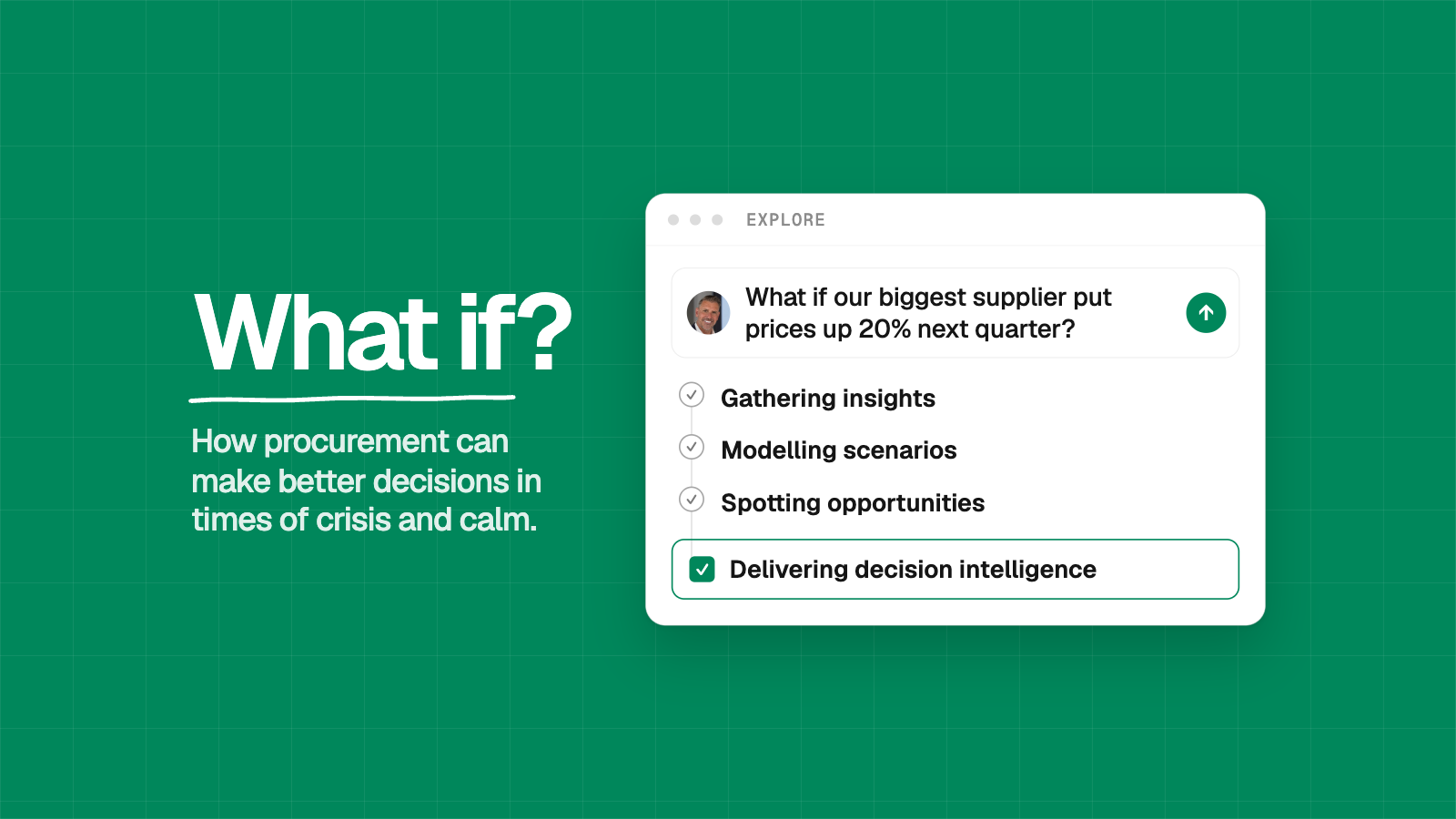
"What if?" is one of the most powerful questions in procurement. Most of us only ask it when something has already gone wrong. A tariff lands or a supplier fails, and we spend days working out how exposed the business is and how to respond.
I've always believed it should be a discipline, something we ask in times of crisis and calm. In my forty years in procurement, teams that did this always had a head start, and a meaningful competitive advantage.
Underpinning this discipline, you need insights you can trust. For many procurement functions that has felt like a pipe dream, because the data is too complex and too scattered. Thankfully, AI has changed that.
This piece is about building a "what if?" discipline in your procurement team. With data and AI behind it, the function can move faster and spend more time thinking strategically. It's procurement's time to deliver more value than ever.
The power of asking "What if?"
When Russia invaded Ukraine in February 2022, I was CPO of a packaging company. Wheat and corn from Ukraine were among our main sources of starch, which is added to paper to make cardboard. As soon as the news broke, we assembled a task force to understand the threat to our supply.
Within days, we were testing alternatives like tapioca and pea starch, and asking, "What if we added more fiber to the paper?" This could reduce the amount of starch we needed in the first place.
While competitors halted production to work through the problem, we had already negotiated a solution. A room full of people working long hours, mapping the problem by hand, meant we didn't miss a day thanks to alternative starches and tweaked specifications.
We rely on asking "what if?" when something goes wrong. We should be asking it just as rigorously when things appear to be going well. Until recently, doing that kind of analysis at an individual level felt out of reach. Now, one person with AI could run the scenario testing that took our task force days.
What if your data was the problem?
Tariffs, commodity shocks, shipping disruptions and changes in lead times can all happen overnight.
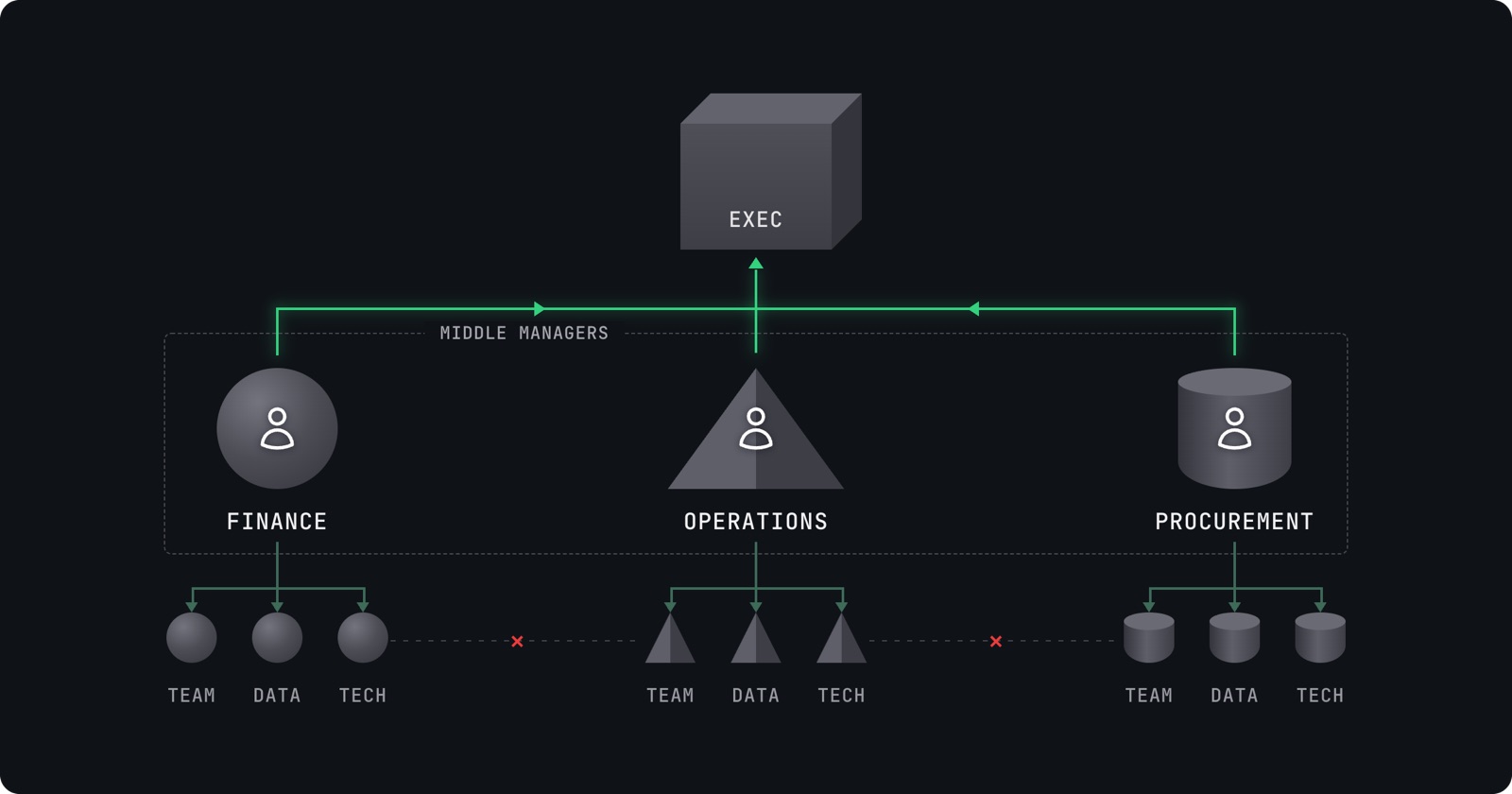
Your enterprise already knows where you're buying from, who your suppliers are and where the costs sit. But that information is scattered across systems, making it difficult to get answers when you need them.
Can you quickly map how an event might affect spending or supply? Or do your category teams need analysts and operational experts to assemble historical data before it can begin working on a solution? By then, the opportunity to act has probably passed.
If your data is slowing you down, you're not alone. Research by ISM and Amazon Business found that 65% of organizations rely on manual reporting to gather supply chain data, limiting their ability to respond quickly.
What if you had the time (and tools) to think differently?
AI now makes it possible to use procurement data to test scenarios and plan ahead in ways that previously felt out of reach.
As CPOs, though, we need to be selective. We need measurable savings, stronger resilience, solid data security and, above all, a return on investment.
You could start with uploading a spreadsheet into Copilot and modelling scenarios one-at-a-time that way. While it's a useful starting point to demonstrate how powerful AI can be on top of procurement data, it's worth noting that this will not give you a complete picture across your entire enterprise. It also means individual learnings exist in single Copilot instances, and aren't shared team-wide.
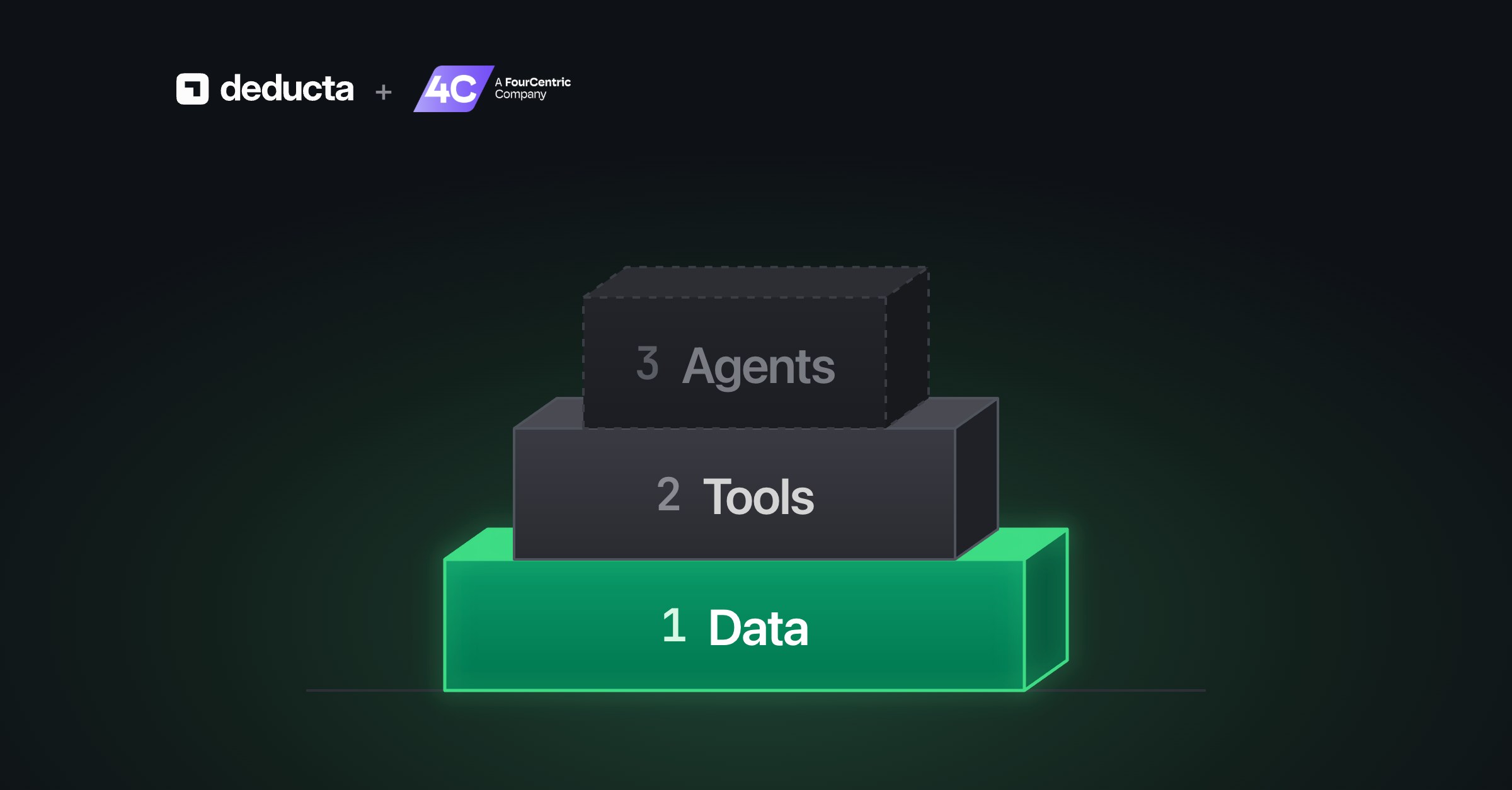
Procurement-specific tools like Deducta can bring together the vast mess of data businesses already hold, allowing people to ask questions and test scenarios without spending days crunching the numbers. With AI on top of this foundation, it's like giving everybody an analyst in their pocket, but still using their own experience and judgment to act on the answers.
Every sourcing decision involves trade-offs between price, quality, efficiency and security of supply. When reliable data is available to more people, they can weigh those trade-offs properly for their own category or business unit. I've worked with several plants operating under completely different business conditions: one might prioritise quality, while another needs availability and uptime above everything else.
You can make a decision that works for France, Germany, Italy, Norway and Sweden, and Spain still feels punished. That relationship may never fully recover.
With reliable data, you can test the consequences before committing. What if we weighted supplier scoring more toward quality? How would that affect costs at each plant? Could we find a better balance between savings and security of supply?
I'd like procurement teams to be asking these questions regularly, not just when the answer is a matter of urgency.
What if procurement had a more strategic seat?
When you walk into planning discussions, expect two questions: What is likely to happen next year? And what are you going to do about it?
If procurement cannot answer confidently, the CFO may simply say, "Give me a 5% saving."
But what would that saving mean for the business? A reduction in spend at one plant may be sensible; at another, it could put production at risk. Perhaps there's a better opportunity elsewhere.
Have a think about what you'd ask your data to help you verify these ideas. I've added some of my own ideas below.
It's an exciting time for procurement teams. We have the expertise, and now the tools, to interrogate and explain our options, show where the business is exposed, and defend its recommendations. That's how we can help set realistic savings targets and shape what the business does next.
What if we started asking these questions tomorrow?
Three questions I'd encourage procurement teams to ask:
- Where are we most exposed? Pick a critical supplier or material. What if it becomes unavailable tomorrow? How quickly could you find an alternative?
- Which assumptions haven't we tested? Look at a current sourcing decision. Are you treating plants or business units the same despite different requirements? What if you change the balance between price, quality and security of supply?
- What could we tell the business today? What if your CFO asked for a 5% saving tomorrow? Could you show where to find it, the risks involved and what you'd recommend?
The key to resilience is preparing long before a crisis hits. And the opportunity to ask "what if?" goes well beyond preparing for disruption, and instead helps us find out what we could be doing differently today.